TECHNIQUE · GRIND
How to adjust the grind for espresso without getting lost
An orderly way to observe the extraction and change one variable at a time.
By the SnapMart Café · Updated: November 1, 2026
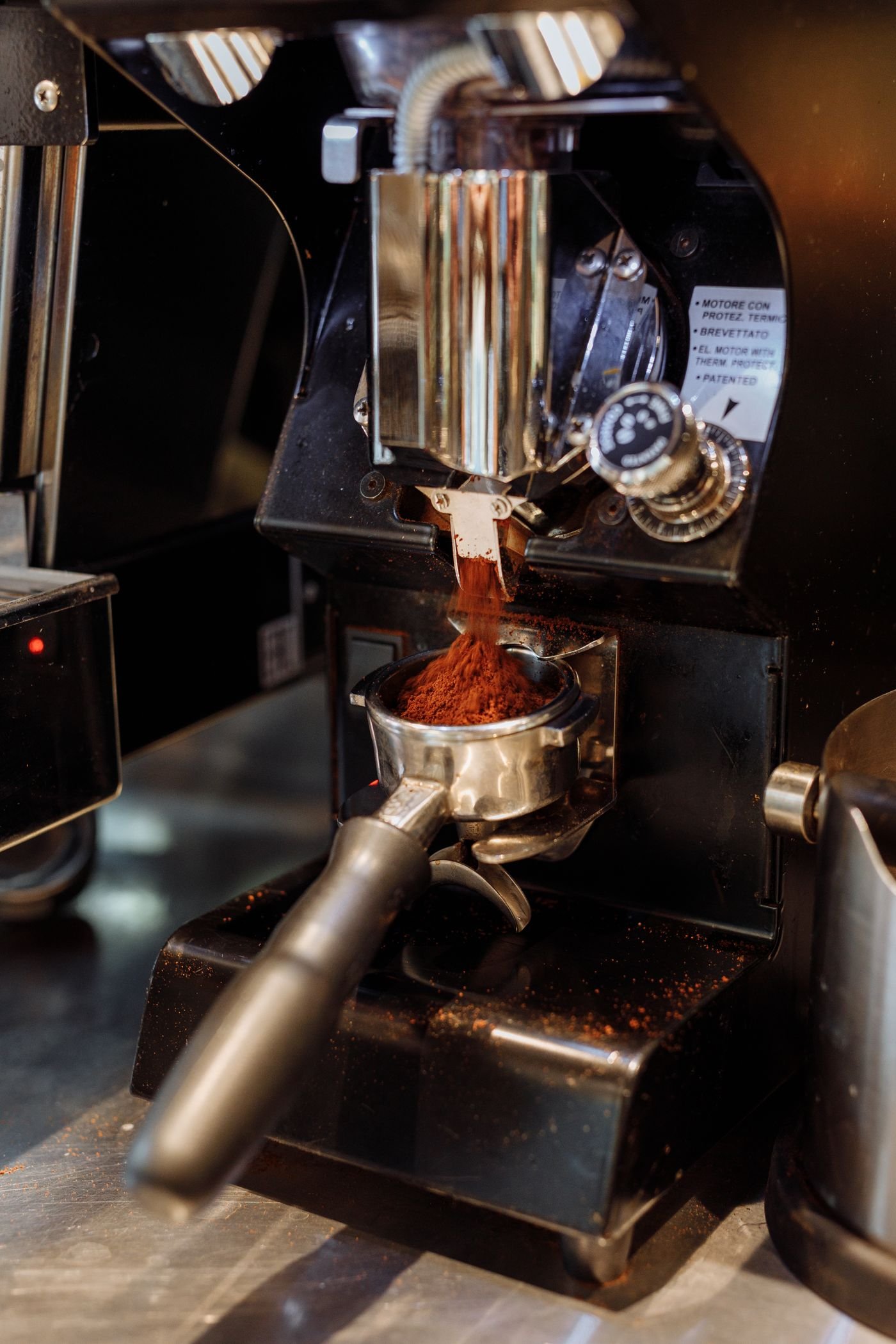
Before moving the selector
If every cup tastes different, changing the grind at random can make diagnosis harder. Start by keeping the coffee, the dose, the filter and the amount of beverage you are trying to prepare constant. That way you can compare two attempts more clearly.
Consult the grinder's instructions before adjusting its selector: the procedure depends on the equipment. Do not force parts or use someone else's setting as an exact recipe.
Observe the flow and taste the cup
An extraction that runs very easily may justify trying a finer grind, as long as the dose and the preparation are consistent. If barely any beverage comes out, check the dose, the filter and the possibility of too fine a grind. Time alone does not explain the flavor.
A sour or bitter coffee does not offer an automatic diagnosis either. The roast, the recipe and an uneven distribution can influence it. Avoid correcting three things at once because afterward it will be hard to know what helped.
A small routine for learning
- Write down the coffee, the selector position, the dose and the result in the cup.
- Repeat the preparation with a level distribution and tamp.
- Make a small grind change according to the manual.
- Compare flavor and behavior before continuing to adjust.
Keep in mind that coffee from the previous preparation may remain inside the grinder. Follow the manufacturer's recommendations on changes and cleaning, and avoid wasting coffee without a clear goal.
How to adjust the grind: five repeatable steps
To adjust the grind for espresso, compare preparations with the same coffee and the same recipe. If you also change the bean, filter or dose, it will be difficult to distinguish what produced the difference. The following sequence helps organize your tests; the selector positions depend on your equipment.
- Define what you are going to repeat. Choose the filter, a dose suitable for it and a target beverage amount. Do not fill the filter beyond what the manual indicates.
- Write down your starting point. Record the coffee, dose, selector position and beverage amount. Always use the same way of counting time.
- Prepare consistently. Distribute the coffee evenly and tamp level. Check that the utensils are prepared as the manufacturer indicates.
- Observe and taste. Watch how the beverage flows and compare the result with your previous attempt. Do not use a single figure as a substitute for flavor.
- Change one variable. Make a small adjustment and repeat. Keep the other decisions the same so that the comparison makes sense.
What to observe before making another change
This table suggests tests, not certain diagnoses. The same symptom can have several causes. If the machine has a fault different from the result in the cup, consult its manual and the corresponding support.
| What you observe | What to check first | Next test |
|---|---|---|
| The beverage comes out too fast | Dose, distribution and grind setting | With the preparation constant, try a somewhat finer setting. |
| Very little beverage comes out or it barely flows | Too much coffee, filter and grind | Rule out an excessive dose and try something coarser if appropriate. |
| Two consecutive preparations are very different | How you distribute, weigh and tamp the coffee | First repeat the same preparation, without moving several controls. |
| The cup turns out sour or bitter | Coffee, recipe and preparation uniformity | Note the flavor and change only one variable; do not attribute everything to the grind. |
Example: turn three attempts into useful information
Suppose your first beverage runs faster than you expected. You keep the coffee, the dose and the target in the cup the same; in the second attempt you only adjust the grind slightly. In the third, you repeat that same adjustment to check whether the result is consistent before changing it again.
This is an example of a method, not a tested recipe or a guaranteed result. Its usefulness is in separating improvement from an accidental change in the preparation.
| Attempt | Change | What to note |
|---|---|---|
| 1 | Starting point | Dose, selector, beverage, time and flavor. |
| 2 | Grind only | What difference you observe compared with the first attempt. |
| 3 | Repetition | Whether you can reproduce the result before continuing to adjust. |
On the Barista Express: size and amount are different controls
The BES870XL manual distinguishes GRIND SIZE, which regulates the size, and GRIND AMOUNT, which controls the amount ground. Adjusting one does not replace checking the other. Consult the procedure and the reference for your machine before acting on the grinder.
Do not copy someone else's selector number as if it were universal. Nor should you jump to disassembling or modifying the burrs because you do not like the first extraction: start with the checks and adjustments described in the manual.
If you are still choosing equipment, read our analysis of who the Barista Express is worth it for. If you already know the process, you can consult the coffee machine's spec sheet.
Frequently asked questions about grinding for espresso
What grind number should I use?
There is no number that guarantees the same result with all beans and equipment. Use the manual's starting point as a reference and record the changes according to your coffee.
Should I change the grind when I open another bag?
It is a good idea to check the extraction again. Keep a reference recipe and observe before making large changes.
Is the pressure gauge enough to know if the coffee is good?
It is an additional observation. To learn, compare it with the beverage amount, the time, the preparation and the flavor. Do not turn it into the only goal.
To organize equipment care, consult the Barista Express cleaning guide.
What to look for in a coffee machine for practice?
Look for controls you understand, accessible documentation and a workflow you are willing to repeat. A machine with a built-in grinder brings several tasks together, but it still requires learning. On the main page we explain what the Barista Express offers and what you should consider before buying it.
Review the complete process for preparing espresso.
General educational content. To operate or maintain a machine, follow the manual for your model. Coffee machine information: Breville Barista Express documentation. It does not constitute a personal test of the product. Reference for the controls: BES870XL manual (PDF, English and French); check the manual supplied with your unit.