As an Amazon Associate I earn from qualifying purchases. SnapMart Café is an independent coffee guide. Purchases are completed on Amazon.
BRAND STORIES · EVERYDAY COFFEE
365 Whole Foods Coffee: the story behind Buzz Free Decaf
A store brand grew from a familiar problem: wanting good groceries without stretching every purchase. Discover the people behind 365 and take a closer look at Buzz Free Decaf whole-bean coffee, 24 oz.
The small decisions add up at checkout
It is easy to like a grocery store and still hesitate before filling a basket. One purchase looks manageable. Several ordinary purchases can turn the same visit into a calculation: what stays, what goes back, and what can wait until next week?
Coffee belongs to that calculation because it is a repeat purchase. You do not choose it only for an occasion. You choose something you expect to use again tomorrow, and perhaps again when someone else in the house reaches for a cup.
The idea behind 365 speaks to that ordinary tension. A retailer’s own name on a package can make a different proposition from a stand-alone specialty brand. It asks the shopper to trust the store’s selection across daily needs.
This is a story about that proposition, followed by a guide to one actual bag. It is not a claim that a current Amazon price is the lowest available. The historical idea of value and the price you see before ordering are different things.
Denis Ring saw an opening for a different store brand
A Yale Insights interview published in January 2026 recounts Denis Ring’s 1996 meeting with John Mackey. Whole Foods was already considering 365. Ring argued that affordability mattered to competing with Trader Joe’s and recruited former Trader Joe’s buyer Bob Johnson to help develop the line.
The account also describes Ring’s interest in appealing design. The aim was a store brand people could choose willingly, rather than a package that looked like an apology.
That distinction gives the story its human center. A private label still needs someone to decide how it looks, what it promises and how it will be offered. The store’s name may be most visible, but decisions by people shape what a shopper eventually holds.
A conversation in 1996 became a launch in 1997
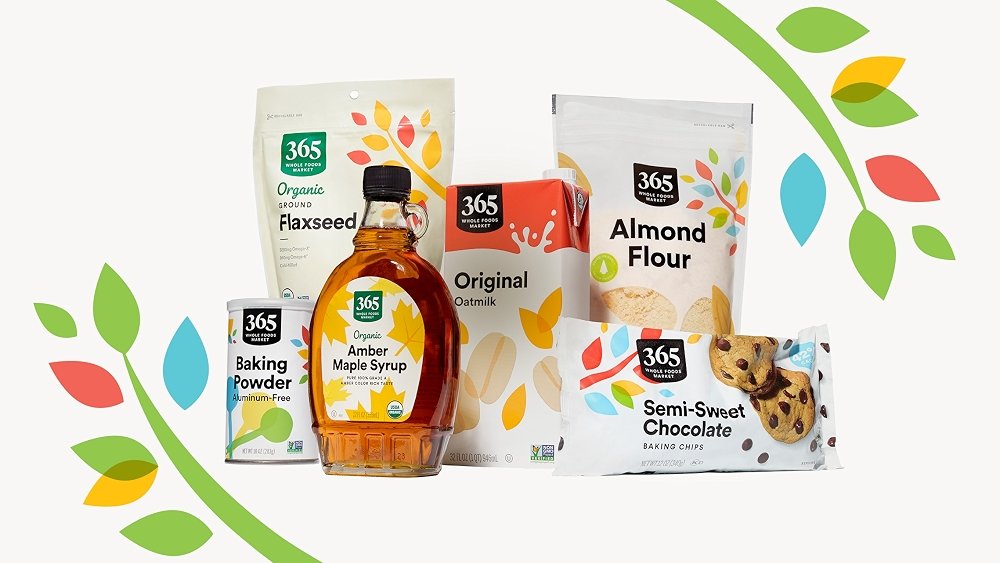
Whole Foods’ 2005 annual filing dates the introduction of the 365 line to 1997 and connects it with everyday value. That separates development from launch: the meeting in Ring’s account took place the year before.
The number makes sense as a grocery idea. Daily staples are bought repeatedly, so their usefulness is tested across routines, not only on the day a package attracts attention. Coffee can sit naturally within that promise because a bag is usually intended for more than one preparation.
Today’s product carries the name 365 by Whole Foods Market. Knowing the earlier Everyday Value identity helps connect older references with the current label. It does not make every old package, blend or specification identical to the one now selected.
A sourcing statement is a place to start checking
Whole Foods states in its 2025 Modern Slavery Statement that all 365 packaged coffee carries an approved third-party sourcing certification, naming Rainforest Alliance, Fair Trade USA and Fairtrade International.
Those are alternatives within the statement, not a claim that each bag holds all three. The Buzz Free package photographed here displays the Rainforest Alliance mark. Look at the specific bag when identifying its certification.
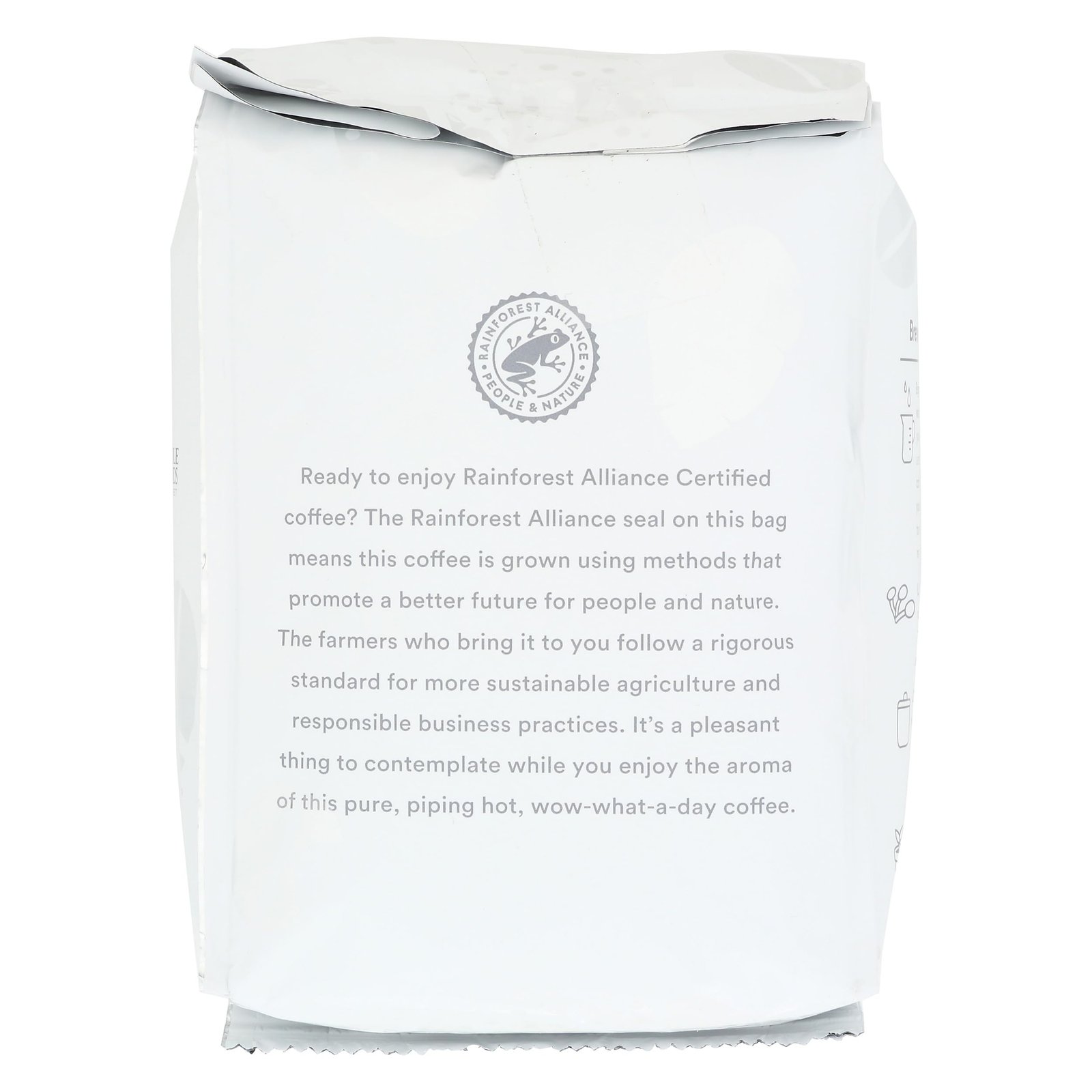
A certification and a taste preference answer different questions. One concerns a defined standard; the other concerns whether you enjoy the result in your cup. Neither should be used to invent a farmer payment, a donation amount or a tasting score.
The retailer’s broader 365 standards page also discusses coffee sourcing. Its Pacific Rim example should not be copied into every blend’s description as though it established the exact origin of all 365 coffee.
The product in Snapmart: Buzz Free Decaf, 24 oz
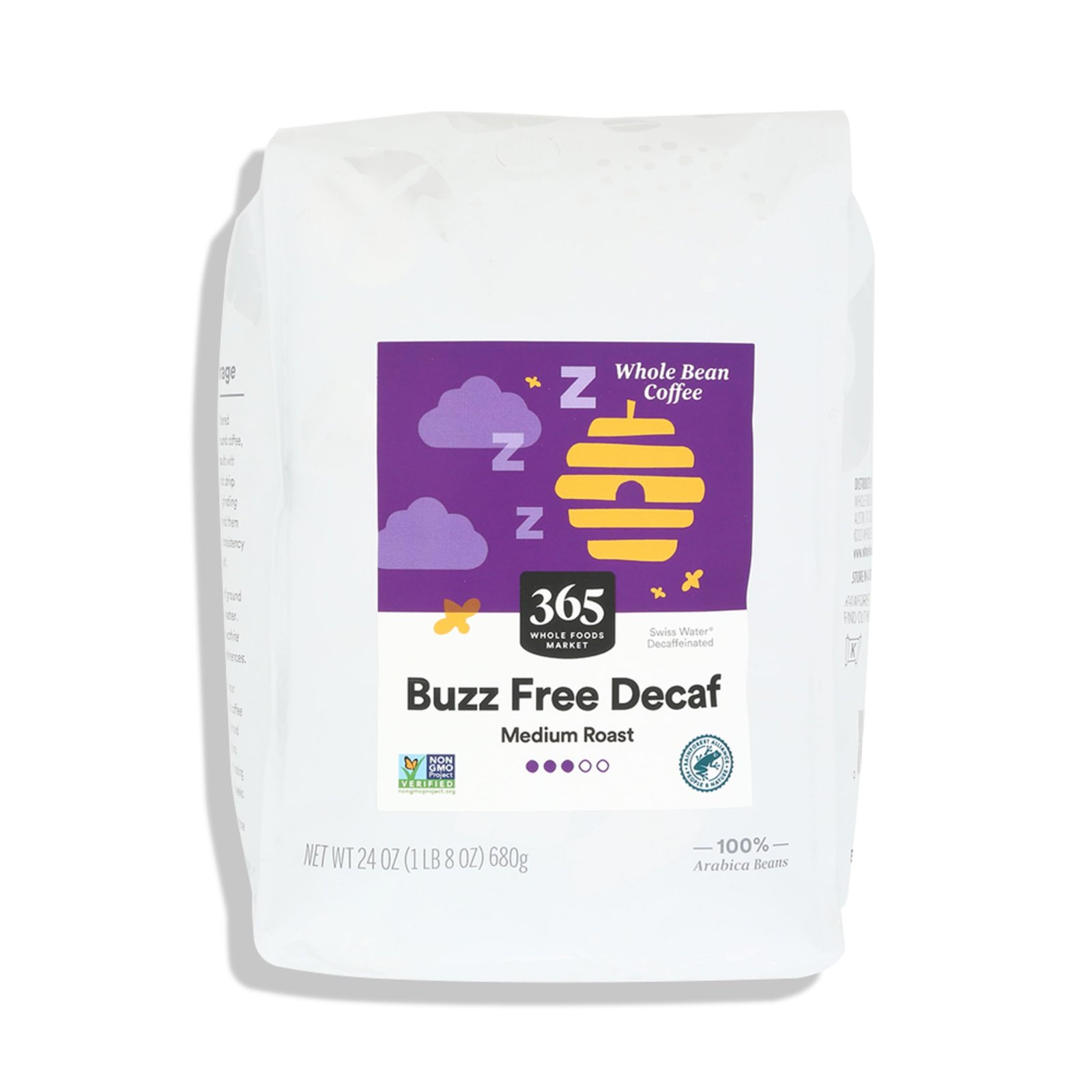
The existing catalog entry is 365 by Whole Foods Market Buzz Free Whole Bean Decaf Coffee, 24 oz. The official product photograph identifies medium roast, whole beans, Swiss Water decaffeination and 100% Arabica beans.
These are details visible on the pictured package. Packaging can change, so read the selected Amazon listing and the label you receive. The linked item is the 24 oz bag, not the smaller 10 oz option that may appear alongside it.
Buzz Free is the product name, and Decaf identifies its caffeine category. That name should not be read as a laboratory guarantee of exactly zero caffeine in every finished cup. This article does not assign a caffeine amount to your recipe.
We have not tasted this bag and do not add flavor notes that the verified material does not establish. A useful description can begin with the facts that determine whether a product works in your kitchen.
Explore it if you want the grinding step
This presentation is worth investigating if you want decaffeinated whole-bean coffee and already have an appropriate grinder, or a coffee machine designed to grind beans. The format leaves that step with you.
It will be less convenient if your routine depends on ready-ground coffee or sealed capsules. A brand story should not hide a practical mismatch: whole beans cannot be spooned straight into a filter that requires ground coffee.
Ask how often you brew and whether anyone shares the bag. The 24 oz quantity has to fit actual use. Choosing a larger package is not automatically choosing better value if the format or amount becomes inconvenient.
If you are exploring several decafs, read our Kicking Horse Coffee story and San Francisco Bay comparison. They identify different blends and bag sizes, rather than treating every decaf as the same product.
Put the everyday-value idea to a practical test
Before comparing prices, match the format and quantity. A smaller bag can have a lower total price without a lower cost per ounce. A product that includes several bags needs to be compared using the total coffee supplied.
The pictured 24 oz bag also shows 1 lb 8 oz and 680 g. Those markings describe the same package. Use one consistent unit when comparing it with a bag labeled in pounds or kilograms.
Use the current listing to check those numbers, then consider shipping and any conditions attached to the offer. A recurring purchase option and a one-time purchase can display different terms. Choose according to what you actually intend to order.
We do not publish a price, discount or savings claim here. The 365 history explains why affordability mattered to the line. Only a current comparison can tell you how this particular offer compares with another bag today.
Give your first cup a repeatable beginning
Follow your equipment’s instructions for grinding and preparation. Use a recipe you can repeat, measuring coffee and water when your method allows. A familiar starting point makes it easier to understand what changed when you adjust the next cup.
Change one variable at a time rather than altering grind, dose and water together. That simple habit gives your own preference a role. You do not need an invented tasting score to decide whether a cup suits you.
For espresso, our guide to espresso at home explains the preparation workflow. You can also explore coffee machines at Snapmart. Confirm a machine’s requirements before assuming every bean is appropriate for its grinder.
A modest story can still belong to your morning
The 365 story begins with the challenge of making a store brand part of everyday shopping. Your decision brings that challenge down to one package: decaf, whole bean, 24 oz, and a routine it needs to fit.
Would you like to try it? Explore Buzz Free Decaf at Snapmart, then review the selected product on Amazon. Purchase and payment take place on Amazon. Confirm seller, current price, availability, shipping and returns there.
A Tuesday morning does not need a grand occasion. There is a bag on the counter, a measured portion in the grinder and an empty cup waiting beside it. That is where a promise about everyday groceries becomes something you can judge yourself.
Sources and more coffee stories
- Yale Insights: Denis Ring and the development of 365, January 2026.
- Whole Foods Market annual filing: 1997 introduction of 365.
- Whole Foods Market: 2025 sourcing statement.
- Official Buzz Free Decaf 24 oz listing and package photographs.
Continue with Mayorga Decaf Cubano or all coffee stories.
Documented history and buying guidance. No personal tasting, invented ratings or guaranteed savings. Product details refer to the official photographed package and can change.